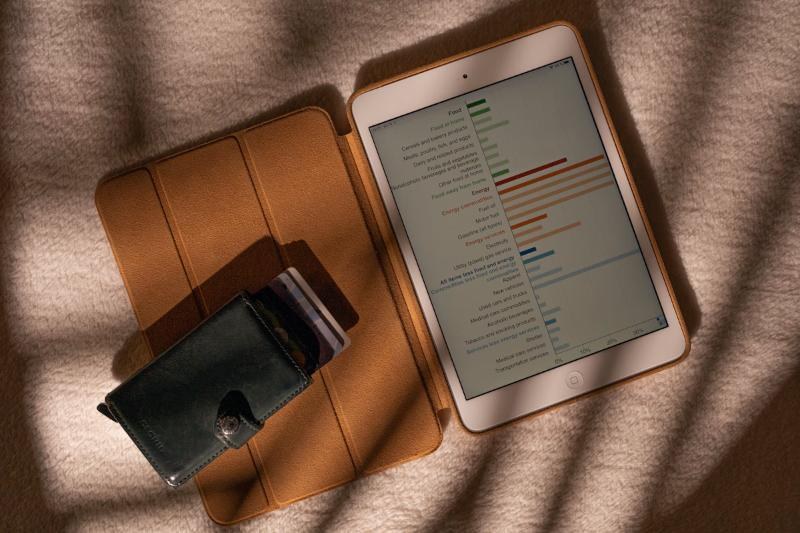
Most people have a rough idea of what they spend on rent or a car payment, but far fewer know how much goes to groceries, takeout, subscriptions or small everyday purchases. Those smaller costs often add up to a surprising share of the monthly budget. Tracking your expenses is the simplest way to see the full picture, and it is the foundation for every other money decision you make.
The idea of logging every purchase can feel overwhelming, which is why many people give up after a week. The secret is to choose a method that matches your habits and to keep it as simple as possible. You do not need a perfect record of every cent. You need enough information to spot patterns and make better choices.
Choose a tracking method that fits you
Budgeting apps can connect to your bank and card accounts and automatically sort transactions into categories such as groceries, dining and transportation. If you prefer more control, a simple spreadsheet works well, especially if you download transactions once a week. Some people still find that writing purchases in a small notebook helps them stay mindful of every dollar they spend.
Whichever tool you choose, keep your categories broad at first. Housing, transportation, groceries, dining out, utilities, insurance, debt payments, health, entertainment and savings will cover most households. You can always add more detailed categories later once tracking has become a habit.
You do not need to track every penny perfectly. You just need to see enough to make a better choice next month.
Make it a quick weekly habit
Instead of recording every purchase as it happens, set aside ten or fifteen minutes once a week to review your transactions. Sunday evening or a quiet weekday morning works well for many people. Check that each expense is in the right category, note anything unusual and compare your spending with your plan for the month.
Look for patterns rather than individual purchases. You may notice that weekday lunches, delivery fees or impulse online orders are larger than expected, or that several subscriptions overlap. These insights are where real savings come from. Small changes to frequent habits usually make a bigger difference than cutting one large expense.
After a month or two, use what you have learned to set realistic spending targets for each category. Revisit them regularly, celebrate progress and adjust when life changes. Tracking is not about restriction. It is about making sure your money goes to the things that matter most to you.
The advisors at Money Expenses help families across Duncanville and the Dallas-Fort Worth area set up simple tracking systems and spending plans that actually last. Contact us for a free expense review.
Want help with your own expenses?
Talk to a licensed advisor for free. Call +1 855-955-2534 or send us a message.